
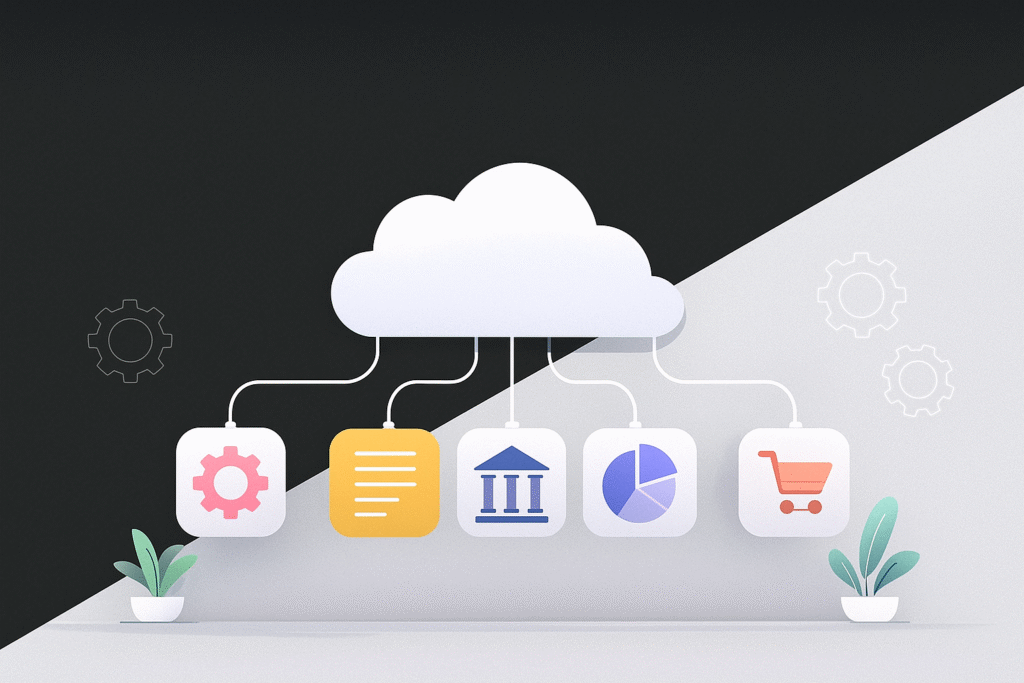
Digital transformation continues to redefine how modern organizations operate, scale, and compete. One of the most significant developments powering this shift is digital BPaaS. Businesses across industries are replacing slow, manual, and fragmented workflows with cloud delivered processes that are optimized, automated, and continuously improved. Digital BPaaS has emerged as a foundation for efficient enterprise operations, particularly in areas that deal with large volumes of tasks, decision making, and regulatory complexity.
This article explains what digital BPaaS means, how it works, and why it is becoming essential for building efficient, scalable, and future focused operations. By the end, you will understand how digital BPaaS fits into your enterprise strategy and how it supports long term growth.
Understanding Digital BPaaS
Digital BPaaS, also known as digital Business Process as a Service, is a cloud based model that delivers complete business processes using automation, intelligent workflows, analytics, and centralized process management. It is different from traditional outsourcing because the work does not rely on large manual teams. Instead, digital BPaaS runs processes by connecting cloud infrastructure, AI driven decisioning, and automation tools to create consistent and high performing workflows.
Companies use digital BPaaS for processes such as customer support operations, claims handling, invoice processing, employee onboarding, data verification, and compliance monitoring. These processes are delivered as a service, which reduces operational overhead and improves speed, accuracy, and consistency.
How Digital BPaaS Improves on Older Models
Business Process as a Service has existed in various forms for years, but digital BPaaS represents a major upgrade. Earlier versions of BPaaS focused on standardizing processes through cloud delivery, but they still involved significant human participation. Digital BPaaS replaces these manual steps with intelligent systems that require minimal supervision.
Here are the key differences.
Automation
Digital BPaaS uses automation to execute repetitive tasks at scale. This reduces errors and shortens processing time.
AI driven decisioning
Machine learning models analyze data and help determine what should happen next in a given workflow.
Cloud delivery
Processes run entirely in the cloud, which simplifies deployment and maintenance.
Data insights
Performance data is captured continuously, providing visibility into process quality.
Configurability
Digital BPaaS allows companies to adjust workflows without downtime or major disruption.
These improvements make digital BPaaS more adaptable and cost effective than legacy BPaaS or traditional outsourcing models.
Why Digital BPaaS Matters for Modern Enterprises
Digital BPaaS is gaining adoption because it solves real operational problems. As organizations face rising costs, tighter competition, and growing customer expectations, the value of moving toward automated and cloud delivered processes increases significantly.
Here are seven reasons digital BPaaS is becoming the backbone of enterprise efficiency.
1. It reduces operational costs at scale
Manual work is expensive. It also becomes more costly as processes grow in volume or complexity. Digital BPaaS reduces labor costs by automating the majority of execution steps. Once the workflows run in the cloud, companies no longer need to maintain large internal teams or pay for repetitive outsourcing.
2. It improves speed and responsiveness
Automated workflows execute tasks instantly. This is particularly useful in areas like customer service, HR, finance, and healthcare where slow processing can affect customer satisfaction or compliance. Digital BPaaS ensures that processes run without delays and can respond to demand spikes without performance issues.
3. It ensures consistent quality and fewer errors
Human teams introduce unintended variations and mistakes. Digital BPaaS replaces manual execution with automated logic, which ensures that tasks are completed consistently every time. This improves accuracy and reduces rework.
4. It supports compliance and governance
Compliance is becoming more complex in industries such as financial services, insurance, government, telecommunications, and healthcare. Digital BPaaS helps companies create detailed audit trails, document decisions, and enforce policies automatically. This reduces risk and improves regulatory alignment.
5. It provides real time visibility into operations
Digital BPaaS platforms include dashboards that show process metrics, workflow performance, and efficiency trends. Leaders can track throughput, identify bottlenecks, and improve operational planning.
6. It integrates with existing systems
Digital BPaaS connects easily to CRM tools, ERP platforms, communication systems, and internal data layers. This helps unify information and ensures that processes remain accurate and synchronized across departments.
7. It helps companies scale without friction
Traditional processes require new staff, expanded tools, or added infrastructure to grow. Digital BPaaS scales automatically through cloud resources and automation engines. This gives companies flexibility during seasonal peaks, product launches, or unexpected demand surges.
These benefits are driving a shift in enterprise strategy as more organizations decide that digital BPaaS is a practical and effective path toward modernization.
Common Use Cases for Digital BPaaS
Digital BPaaS works across a wide range of industries because most processes benefit from automation and cloud delivery. Below are some of the most common applications.
Customer service operations
Ticket routing, ticket classification, self service workflows, sentiment based prioritization, and escalation management can be delivered through digital BPaaS.
Finance and accounting
Invoice processing, expense review, vendor onboarding, procurement workflows, and reconciliation can be executed accurately through automated workflows.
Human resources
Employee onboarding, payroll workflows, time tracking, benefits administration, and background checks are frequently handled through digital BPaaS.
Insurance and healthcare
Claims processing, eligibility checks, documentation validation, preauthorization, and fraud monitoring benefit from automation and consistent cloud execution.
Retail and ecommerce
Returns processing, order verification, fulfillment notifications, and inventory workflows can be delivered through digital BPaaS.
Compliance and risk
Rule based monitoring, policy enforcement workflows, and audit ready records operate more reliably through centralized digital execution.
These examples illustrate why organizations across industries are embracing a digital BPaaS model to simplify operations.
How Digital BPaaS Supports Intelligent Workflows
The rise of intelligent workflows is one of the biggest trends driving the adoption of digital BPaaS. Intelligent workflows use analytics, AI, and rule based logic to manage how tasks flow across a business. Digital BPaaS provides the ideal foundation because it can execute workflows consistently and adapt to new logic without disruption.
Cuber AI supports this approach by offering automation first workflows that improve customer service efficiency and accuracy.
Digital BPaaS and Cloud Native Architecture
A major reason digital BPaaS is so powerful is that it is built on cloud native architecture. This architecture offers several advantages including automatic scaling, lower infrastructure cost, faster deployment, and flexible integration. Cloud native digital BPaaS also strengthens security by centralizing control and reducing the risk of fragmented systems.
Companies that want to modernize their operational foundation will benefit greatly from adopting cloud native digital workflows.
Challenges That Companies Face When Moving to Digital BPaaS
While the benefits are significant, companies sometimes face challenges when adopting digital BPaaS.
Legacy system compatibility
Some older systems may require integration work before connecting with cloud delivered workflows.
Change management
Teams may need time to adjust to new automated processes.
Vendor selection
Choosing a provider requires evaluating technology quality, security, configurability, and long term support.
Governance
Organizations must ensure that decision logic is visible and auditable.
These challenges can be addressed through clear planning, proper stakeholder involvement, and a strong implementation partner.
How to Choose the Right Digital BPaaS Provider
The success of digital BPaaS depends heavily on the provider you choose. Here are key attributes to evaluate.
Automation capability
Look for strong AI, machine learning, and workflow automation features.
Ease of integration
The provider should connect easily to your core systems.
Security posture
Compliance certifications and secure data management are essential.
Flexibility
Digital BPaaS should adapt to your process needs, not the other way around.
Transparency
Dashboards, analytics, and real time reporting should be included.
Final Thoughts
Digital BPaaS is becoming the backbone of enterprise efficiency because it replaces manual work with automated, cloud delivered processes that are consistent, scalable, and data driven. Organizations that adopt digital BPaaS now will gain a stronger foundation for long term growth, operational agility, and improved customer experience.