The conversation around BPO vs BPaaS has become one of the most important topics in enterprise operations. For decades, Business Process Outsourcing was the default way companies reduced operational burden. Whenever processes became repetitive, costly, or difficult to manage internally, organizations hired external teams to perform the work. This model shaped global operations for more than 20 years.
Today, that landscape is changing quickly. BPaaS, or Business Process as a Service, has emerged as a modern alternative built for a cloud powered, automation driven world. Instead of relying on large teams of outsourced workers, BPaaS delivers complete processes through cloud platforms, AI, and automation. This digital shift is redefining the meaning of outsourcing and setting a new standard for efficiency.
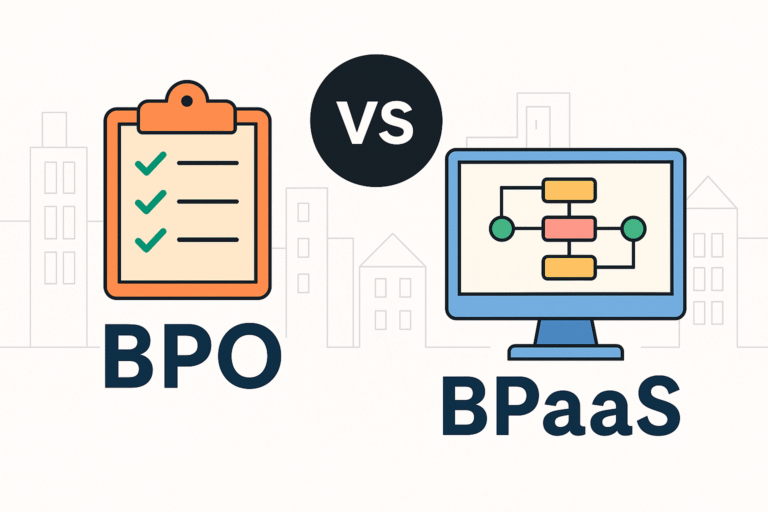
To understand the evolution of outsourcing, it is essential to compare BPO vs BPaaS and explore how this transition supports faster, smarter, and more scalable business operations.
What BPO Means Today and Why It Is Changing
BPO refers to the outsourcing of operational tasks to external teams, often located in different countries. These teams handle work such as customer support, data entry, claims processing, finance operations, and HR tasks. Although BPO helped companies manage costs and scale quickly, the model has several limitations.
Manual execution
Most BPO tasks rely on humans performing repetitive steps.
Slow scaling
Adding capacity requires hiring, training, and onboarding.
Inconsistent quality
Human workers often deliver varying levels of accuracy.
Limited visibility
Companies have little real time insight into how work is performed.
Growing expenses
Labor costs continue to increase as volume grows.
These limitations are driving many enterprises to ask whether traditional outsourcing can keep up with modern expectations.
Understanding BPaaS in the Digital Context
BPaaS addresses many of the limitations seen in traditional outsourcing. Instead of sending tasks to people, BPaaS delivers processes through cloud platforms, automation tools, and AI based decision engines.
Key capabilities include:
Automation
Tasks are executed by software, not large manual teams.
Cloud delivery
Processes run on cloud infrastructure with real time visibility.
Standardization
Workflows follow consistent logic, reducing error rates.
Configurability
Businesses can tailor logic, inputs, and outputs without complex changes.
Scalability
Volume increases are handled instantly through cloud capacity.
Data driven improvements
Performance insights can be used to refine processes continuously.
This combination makes BPaaS more predictable, more cost effective, and more efficient than outsourcing models that rely primarily on human labor.
BPO vs BPaaS: Key Differences Explained
Understanding the distinctions between BPO vs BPaaS is crucial for leaders who want to modernize operations. The following comparisons highlight how these models differ in practice.
Workforce vs automation
BPO relies on workers to complete tasks. BPaaS relies on automation and AI to execute work with minimal human involvement.
Fixed capacity vs dynamic scalability
BPO scales slowly because it depends on hiring. BPaaS scales instantly using cloud resources.
Manual variations vs consistent processes
Human executed processes introduce variation. BPaaS delivers the same quality each time because automated logic is consistent.
Reactive workflows vs intelligent workflows
BPO teams usually react to incoming tasks. BPaaS platforms use analytics to predict volume, detect anomalies, and optimize workflow routing.
Limited visibility vs full transparency
BPO provides periodic reports. BPaaS provides real time metrics, dashboards, and audit trails.
These differences show why the transition from BPO to BPaaS is happening across industries such as finance, insurance, retail, and telecommunications.
Why Companies Are Moving from BPO to BPaaS
There are five major reasons enterprises are choosing BPaaS instead of traditional BPO operations.
1. Lower operational costs
Automation removes the need for large manual teams. This reduces labor costs and eliminates expenses related to training, quality assurance, and supervision.
2. Faster processing and improved accuracy
BPaaS workflows execute tasks in seconds rather than minutes or hours. Automated logic also reduces error rates significantly, improving downstream efficiency.
3. Better compliance and auditability
Digital BPaaS creates detailed logs for every step in the process. This helps companies meet regulatory requirements and respond quickly during audits.
4. Improved customer experience
Faster resolution times, accurate processing, and fewer bottlenecks create better customer interactions. This is especially important in sectors like customer support and insurance.
5. Easier integration with modern systems
BPaaS platforms connect with CRMs, ERPs, knowledge bases, communication tools, and custom applications. This helps unify systems and eliminate fragmentation.
These advantages explain why enterprises are actively comparing BPO vs BPaaS and rethinking how they structure their operational backbone.
Real World Examples That Show the Difference
The following examples illustrate how organizations apply BPaaS to replace traditional outsourcing.
Customer support
BPO
Teams manually triage and route tickets.
BPaaS
Automated workflows classify, route, and sometimes resolve tickets instantly.
Finance
BPO
Offshore teams process invoices and verify data manually.
BPaaS
Automated workflows extract data, validate fields, and flag discrepancies instantly.
Insurance
BPO
Agents review claims and documentation individually.
BPaaS
AI models analyze documents, predict claim status, and route exceptions to humans.
Ecommerce
BPO
Teams handle returns, corrections, and order changes.
BPaaS
Digital workflows verify order data, trigger refunds, and update inventory automatically.
These examples show clear differences between manual outsourcing and cloud delivered automated processes.
How BPaaS Supports Intelligent Workflows
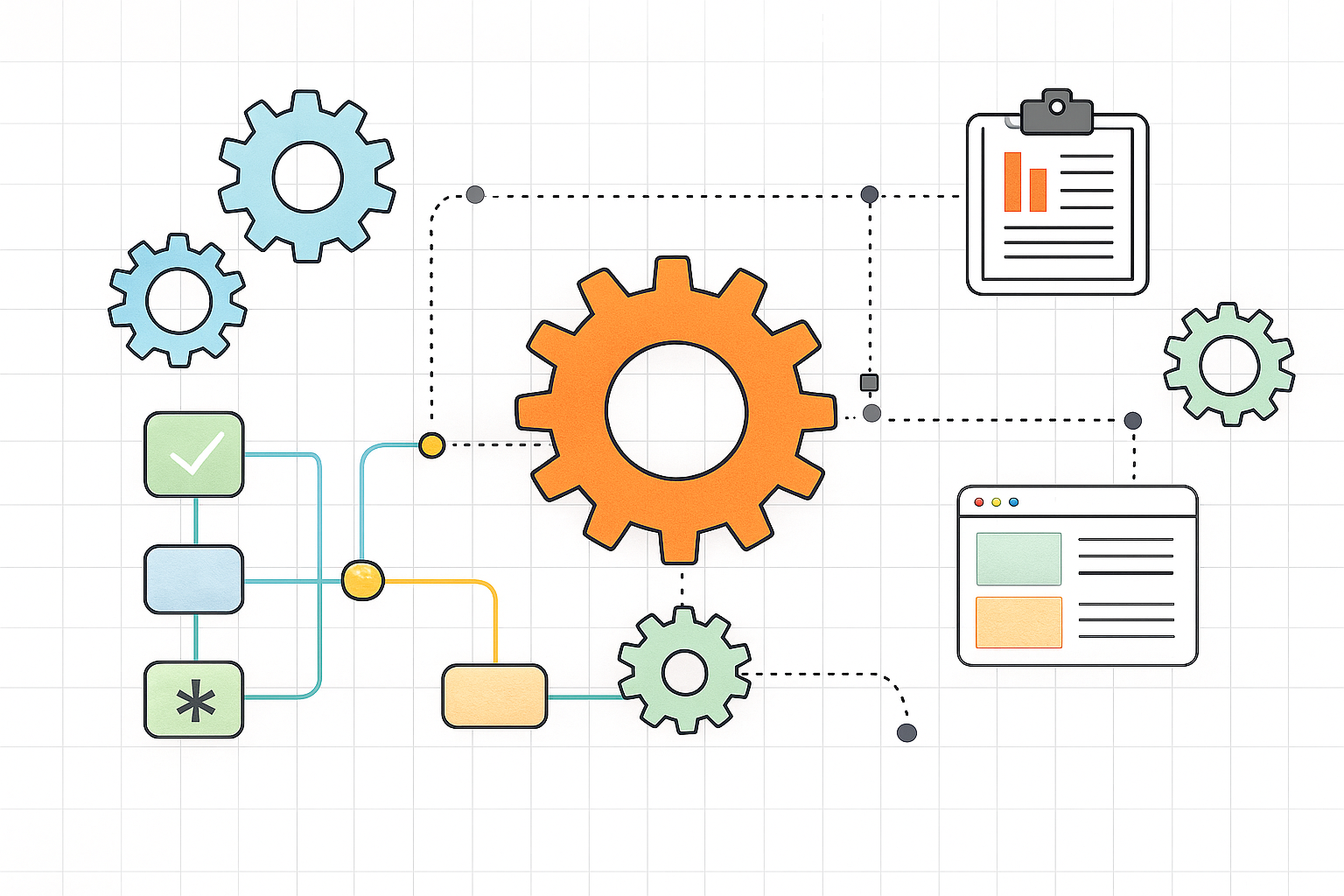
The transition from BPO to BPaaS aligns with a broader shift toward intelligent workflows. These workflows use automation, AI, and contextual data to manage processes without relying on traditional human based execution.
Cuber AI is focused on powering these intelligent operations through workflow orchestration, AI driven decisioning, and automation ready processes.
The Role of Cloud in Modern Process Delivery
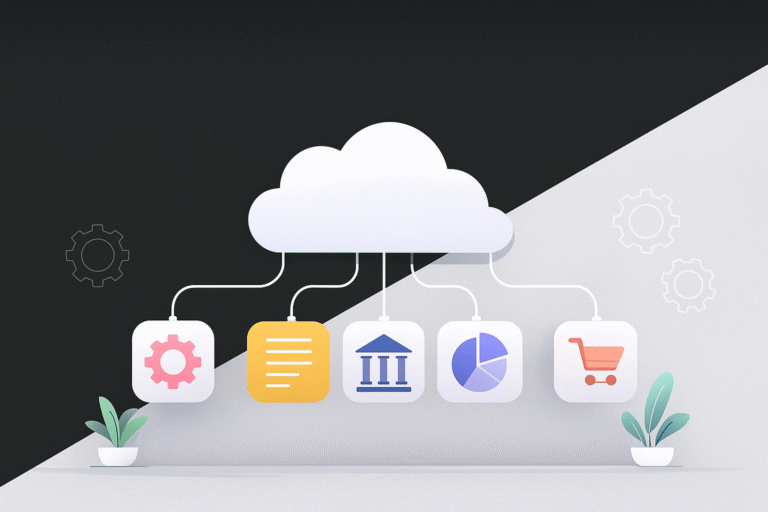
Cloud infrastructure is essential to the adoption of BPaaS. Unlike BPO, which requires physical teams and regional delivery centers, BPaaS operates entirely in the cloud.
This approach supports:
• Instant scaling
• Lower infrastructure cost
• Faster process deployment
• Secure centralized management
• Real time monitoring and analytics
Cloud architecture makes BPaaS flexible, global, and resilient.
A Major Trend: Hybrid BPaaS Models
Many enterprises now use a hybrid model where automation handles most of the work while humans oversee edge cases. This hybrid approach offers the best of both worlds.
Automation handles:
• High volume tasks
• Rule driven decisions
• Data extraction
• Verification
• Routing
Humans handle:
• Exceptions
• Complex decisions
• Customer escalation
• Relationship based interactions
This structure improves efficiency while maintaining high quality customer outcomes.
Evaluating BPO vs BPaaS for Your Enterprise
If your company still relies on BPO, it may be time to reevaluate whether that model supports your future needs. Key indicators that BPaaS might be a better fit include:
• Rising operational costs
• Inconsistent quality across teams
• Slow scaling during peak seasons
• Increasing regulatory pressure
• Customer dissatisfaction with slow response times
• Fragmented systems across departments
BPaaS addresses each of these challenges directly. Learn More
Final Thoughts
Understanding BPO vs BPaaS is essential for any organization planning long term transformation. The shift from manual outsourcing to automated, cloud delivered workflows is accelerating across industries. Companies that adopt BPaaS now will gain stronger efficiency, better accuracy, and more predictable operations.
BPaaS represents the future of business process delivery. It is faster, smarter, and more adaptable than traditional outsourcing models. As enterprises continue to modernize, BPaaS will play a central role in shaping high performance operational systems.